If you have searched for the fastest-growing city in Canada, the honest answer is a town. East Gwillimbury was the fastest-growing municipality in the country the last time the census measured it. Not just the fastest in York Region, and not just the fastest in Ontario. The fastest anywhere in Canada, out of every municipality with at least 5,000 residents. That's a striking line for a town a lot of people in Markham or Richmond Hill still can't find on a map, and on its own it's just trivia. What matters, if you're thinking about buying here, is what sits underneath the number and whether it's still true.
What the Census Actually Said
Between 2016 and 2021, East Gwillimbury's population grew 44.4%, from 23,991 to 34,637 residents. When Statistics Canada released the 2021 census in February 2022, that put the town first in the country. In its own words, "Topping the list of the fastest-growing municipalities in Canada was East Gwillimbury (+44.4%)." The Town has that framed on its website, and it earned it.
Two things to keep straight. The ranking only counts municipalities with at least 5,000 people, so it isn't EG beating out tiny hamlets that double off a handful of new houses. And it's a census figure, which means it's a snapshot from 2021. The next census lands in 2026, with data in 2027, so for now "fastest-growing in Canada" describes the last full count we have. The building didn't stop in 2021. If anything, the cranes since then point the other way.
By the numbers. 44.4%: East Gwillimbury's population growth from 2016 to 2021, first among all Canadian municipalities with 5,000 or more residents. 23,991 to 34,637: residents counted in the 2016 and 2021 censuses. 127,600: the residents the Town's new Official Plan projects by 2051.
Why It's Growing, and Why That Matters More Than the Rank
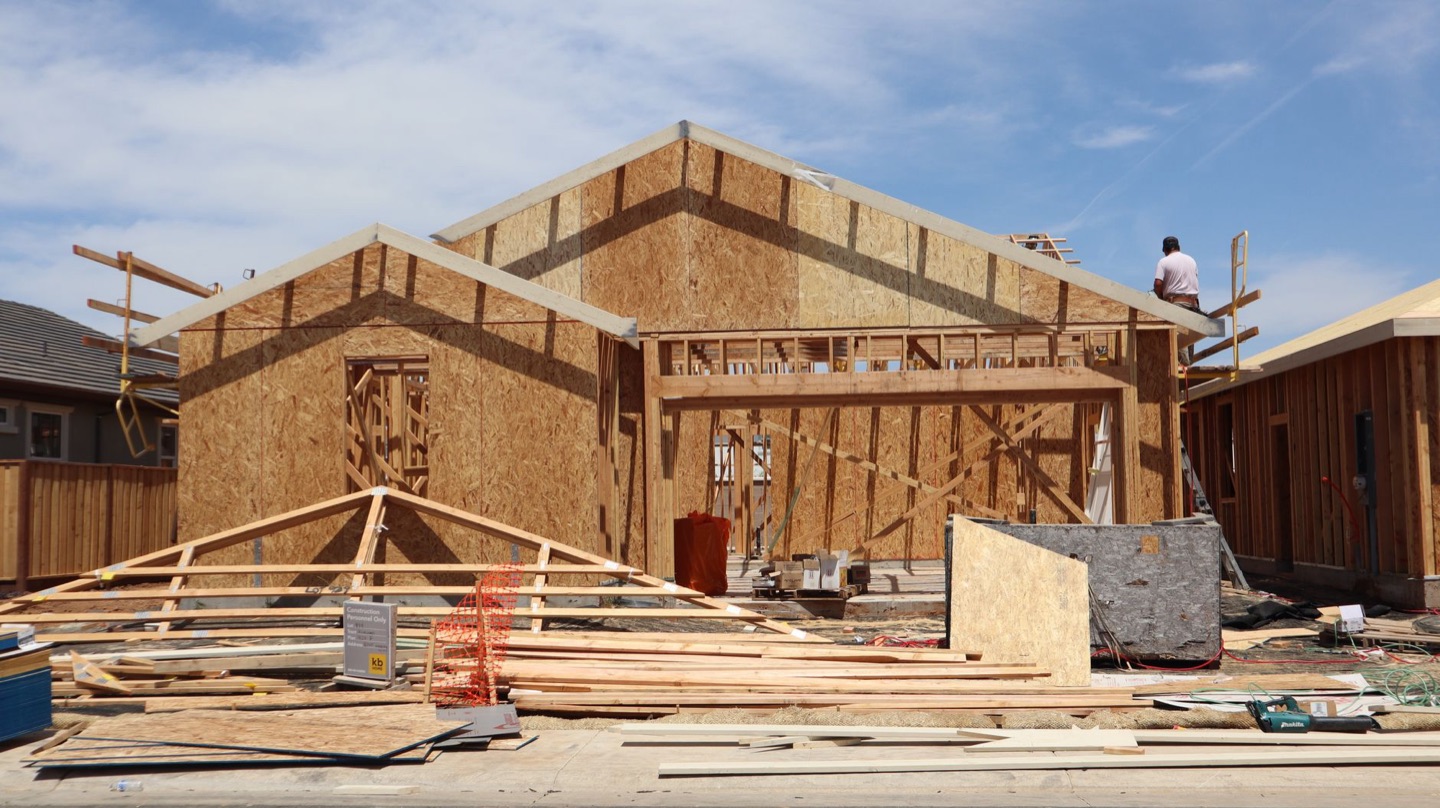
The rank is a result, not a strategy. What's driving it is a stack of housing and infrastructure decisions, most of them set years in advance. The new-build communities going up in Sharon, Queensville, and Holland Landing are the visible part, and if you want the detail on where to buy new, I've written that up on its own. Underneath the houses is the part that takes longer to build. Highway 404 was extended north, the Bradford Bypass is under construction to link the 400 and the 404, and GO trains run from the East Gwillimbury station. The province has confirmed a new Southlake hospital in Queensville, and the town is opening new schools to catch up with the families already here.
That mix matters. Growth built on serviced land and committed infrastructure tends to hold up better than growth riding one employer or a hot price cycle. None of these projects is a rumour. They're funded, under construction, or already open. When a Buyer asks me why I'm not worried the town peaks next year, this is the list I point to.
Is the Growth Slowing Down? What the Forecasts Say
The plans don't assume it slows for a long time. The Town's new Official Plan projects more than 127,600 residents by 2051. Set that against today's 34,637 and it's close to four times the current town inside a generation. These are projections, not promises, and forecasts get revised. But they're the numbers the town and Region use to size water, roads, and transit, which makes them more than a guess. A municipality builds the pipes for the population it expects. The plan is also specific about where it steers that density, the five areas set to absorb most of the growth.
It also reframes the census headline. Leading Canada's growth list for one five-year window is a milestone. Staying among the fastest-growing cities in Ontario for the next two decades, by design, is the more useful fact if you're deciding whether to buy in.
What Fast Growth Means If You're Buying Here
A few honest implications, because growth cuts both ways. On the upside, the amenities a growing town earns (the hospital, the schools, the transit, the retail that follows rooftops) are still arriving here rather than already baked into the price the way they're further south. New-build supply also means choice, and often more house per dollar than the same money buys in Richmond Hill or Markham. That gap is a big part of why people move up here in the first place.
The flip side is real. You're buying into a town that's still under construction, sometimes right next door, and phasing means dust and changing sightlines for a few years. Off-peak GO service is thin, and most of the town needs a car today. I'd rather a Buyer hear that from me before an offer than notice it after closing. Whether all of it adds up to good value for you comes down to your timeline and what you're trading off, and that's worth talking through rather than reading off a chart. For the wider picture of the town itself, my East Gwillimbury overview is the place to start.
One of the Best Places to Invest in Real Estate in Ontario?
That question gets searched a lot, and most lists answer it with last year's price jump. I'd answer it differently. If you're scanning for the best places to invest in real estate in Ontario, the more honest filter is whether the demand underneath a town is built to last, not whether it spiked recently. East Gwillimbury screens well on that test: serviced land, committed infrastructure, and a population the Region plans to nearly quadruple by 2051. I won't dress that up as a forecast that prices go up, because it isn't one. Sustained, planned growth and committed infrastructure are long-run supports for demand, which is a steadier thing than a hot cycle. What that's worth to you comes down to your timeline and what you'd be trading off elsewhere.
Bottom line. East Gwillimbury didn't top Canada's growth list by accident, and the plans have it growing for another two decades. For a Buyer, the rank matters less than what's behind it. The infrastructure and amenities are still arriving here, the new-build supply gives you more room for your money than the older 905, and you're trading that against living in a town that's still being built. Whether it's a good deal depends on your timeline.
Common Questions
What is the fastest-growing city in Canada?
By the last full census, East Gwillimbury, Ontario. Its population grew 44.4% between 2016 and 2021, the most of any Canadian municipality with at least 5,000 residents, according to Statistics Canada's 2021 census. It's officially a town, not a city, which is why the search and the answer don't quite line up.
Is East Gwillimbury still growing, or has it slowed down?
Still growing, and the plans assume it continues. The Town's new Official Plan projects more than 127,600 residents by 2051, close to four times the 34,637 counted in 2021. Those are the numbers the town and York Region use to size water, roads, and transit.
Is East Gwillimbury a good place to invest in real estate?
It's among the names raised for the best places to invest in real estate in Ontario, on the back of serviced land, committed infrastructure, and planned long-term growth. That supports demand over time, but it isn't a guarantee that prices rise. Whether it fits comes down to your timeline, which is worth talking through.
Thinking About Buying Into a Town That's Still Being Built?
If you're weighing East Gwillimbury against somewhere more finished, I'm happy to walk through what the growth actually looks like on the ground, neighbourhood by neighbourhood, and whether a particular street or builder fits what you're after. No pressure and no pitch, just the local read. Reach me whenever it's useful.